









Sydney International Women's Jazz Festival
Thu 22 Oct '26 – Sat 31 Oct '26


Product List
Product List
Overview
SIMA's flagship presentation, The Sydney International Women's Jazz Festival, will celebrate its landmark 15th anniversary this year with an extraordinary program of international and Australian artists pushing the boundaries of jazz, improvisation, and contemporary music. Since its inception, SIWJF has become one of Australia's most vital platforms for celebrating women and gender-diverse artists in jazz and improvised music, championing…
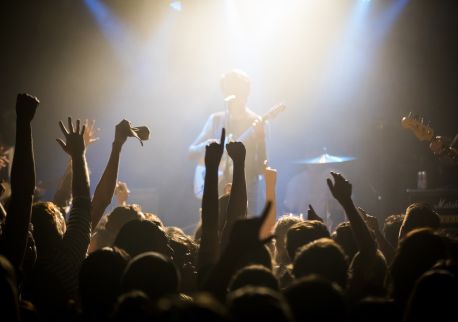
SIMA's flagship presentation, The Sydney International Women's Jazz Festival, will celebrate its landmark 15th anniversary this year with an extraordinary program of international and Australian artists pushing the boundaries of jazz, improvisation, and contemporary music. Since its inception, SIWJF has become one of Australia's most vital platforms for celebrating women and gender-diverse artists in jazz and improvised music, championing innovation, excellence, and artistic exchange on a global scale. Across Sydney this October, the festival will present three groundbreaking headline performances – legendary vocalist Dee Dee Bridgewater, Grammy Award-winning pianist Kris Davis, and acclaimed poet and musician aja monet – alongside leading Australian and international collaborators.
Further program announcements for the Sydney International Women's Jazz Festival will be revealed in coming months.
Get in touch
Location
FAQs
Accessibility
Allows a person's carer free entry into participating venues and events
Actively welcomes people with access needs.
Ask all visitors if there are any specific needs to be met
Caters for people who are blind or have vision loss
Caters for people who are deaf or have hearing loss
Caters for people who use a wheelchair.
Caters for people with allergies and intolerances.
Caters for people with sufficient mobility to climb a few steps but who would benefit from fixtures to aid balance. (This includes people using walking frames and mobility aids)
Have a wheelchair accessible toilet / shower and change room
Have accessibility information and photos, including of a bathroom, room and/or floor plan on your website (can be emailed on request)
Have an accessible public toilet which is unlocked
Have an appropriate area for toileting an assistance dog
Have at least one wheelchair accessible parking space with wheelchair accessible signage clearly displayed (International standards are 3200mm wide x 2500 mm high)
Have doorways which are easy to open and have lever handles (doorways 850mm or wider when open and not heavy)
Have Exit signs which are visible at a ground level (high level signs are difficult to see in a fire)
Have grab rails in the bathroom
Have handrails on all your stairways
Have step free access to restaurant, lounge and bar
Have step free outdoor pathways (includes picnic areas, barbecues and shelters)
Modify your cooking and cleaning practices to cater for people with food allergies or chemical intolerances (could include menus with meals free from: nuts, dairy, seafood, eggs, gluten etc)
Offer a range of contact methods for receiving complaints
Offer multiple options for booking - web, email, phone
Provide digital communication materials (hard copy information is also available on line)
Provide information in large print
Provide seating in common areas including reception area
Train your staff in disability awareness
Use floors/coverings which are slip resistant, firm and smooth
Use non-slip tiles in the bathroom or slip resistant matting