







Italian Food Tour


Product List
Product List
Overview
Explore this 70's Italian village, where you visit the local fresh pasta shop and baker and sample traditional Italian ciabatta and the most incredible Bolognese Arancini. The local cheese maker talks you through the history of Italian cheeses, where you sample the freshly made ricotta, bocconcini, and the famous blue cheese-cake and discover the diverse range of the best quality oils and balsamic vinegar. An absolute must is the very private…
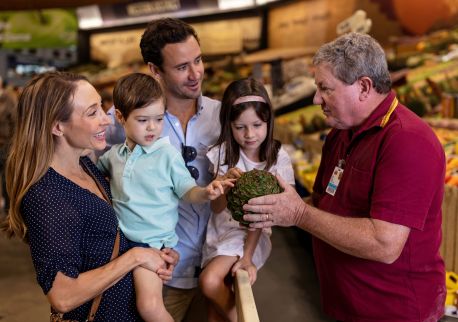
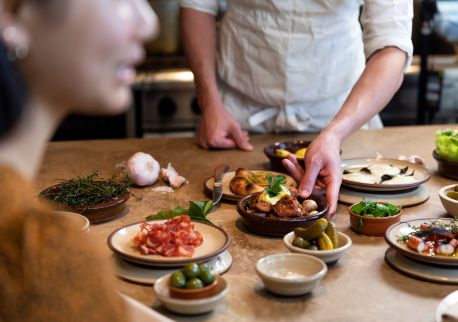
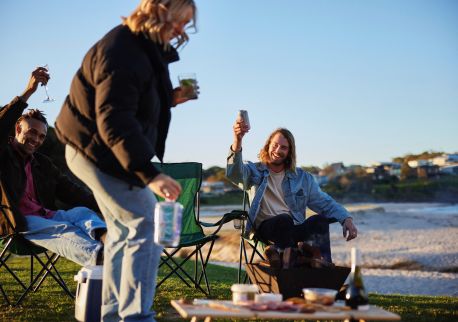
Explore this 70's Italian village, where you visit the local fresh pasta shop and baker and sample traditional Italian ciabatta and the most incredible Bolognese Arancini. The local cheese maker talks you through the history of Italian cheeses, where you sample the freshly made ricotta, bocconcini, and the famous blue cheese-cake and discover the diverse range of the best quality oils and balsamic vinegar. An absolute must is the very private limoncello and grappa tastings, with the opportunity to buy some imported Italian wines.
They proudly offer intimate food experiences with local guides, in small groups, whilst supporting local communities and family-owned businesses. They are real people, with real stories.
Get in touch
Our Tours


Location
FAQs
Accessibility
Actively welcomes people with access needs.
Advise tour guides of the access needs of guests at the time of booking (includes pick up and drop off requirements)
Ask all visitors if there are any specific needs to be met
Caters for people who are blind or have vision loss
Caters for people who are deaf or have hearing loss
Caters for people who use a wheelchair.
Caters for people with allergies and intolerances.
Caters for people with sufficient mobility to climb a few steps but who would benefit from fixtures to aid balance. (This includes people using walking frames and mobility aids)
Have accessibility information and photos, including of a bathroom, room and/or floor plan on your website (can be emailed on request)
Have step free outdoor pathways (includes picnic areas, barbecues and shelters)
Offer a range of contact methods for receiving complaints
Offer multiple options for booking - web, email, phone
Provide assistance with booking arrangements (includes providing clear itineraries with written instructions on what to do at various destinations)
Train your staff in customer service for people with vision loss (training would incorporate way finding and communicating with people with vision loss)
Train your staff in communicating with people who are deaf or have hearing loss
Train your staff in communicating with people with learning or behavioural challenges
Train your staff in disability awareness
Train your staff to respond to allergic reactions
Use Plain English / easy read signage and information (includes menus and emergency information)
Welcomes and assists people who have challenges with learning, communication, understanding and behaviour. (includes people with autism, intellectual disability, Down syndrome, acquired brain injury (ABI), dyslexia and dementia)