












Sydney’s museum scene is truly out of this world. From an Aboriginal river of stars to objects found beyond our atmosphere, you can experience galaxies far away by stepping inside our institutions. There are up-close encounters of the city and its surrounds, too: from historic sites and culturally significant landmarks to contemporary stories, artworks and exhibits. Plus, check out incredible Lego builds, steam-train rides, glow-in-the-dark rocks, junior firefighting missions and other attractions for kids and the young at heart.
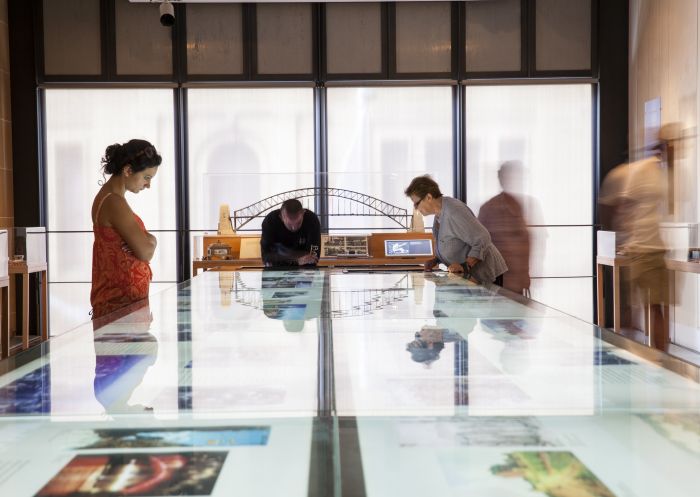
The city’s past appears everywhere at the Museum of Sydney – even underneath your feet. Australia's first government house was located here and some colonial remains can still be seen, including some of the 140,000 objects unearthed by archaeologists from this site. Alongside First Fleet and Government House replicas and archival footage of Sydney landmarks, there are artworks recognising the long-running First Nations presence here, from the Yura Nura: People and Country permanent exhibition to the ‘forest’ of 29 pillars in courtyard, each one reflecting the 29 Aboriginal clans around Sydney.
This institution is one of a dozen Museums of History NSW venues, which include Elizabeth Farm (which dates back to 1793 and is one of Australia’s oldest colonial buildings), six-generation homestead Rouse Hill Estate (which contains colonial garden remnants and a Lego recreation of its historic site) and Nowra’s Meerogal (a jacaranda-shaded home evoking the women who ran it in the 19th century).
Getting there: The Museum of Sydney is just steps from the Circular Quay train station, ferry wharf, light rail station and bus stops. Parking is limited in the area, so we suggest taking public transport.
Museum of Sydney, Sydney CBD - Credit: Sydney Living Museums
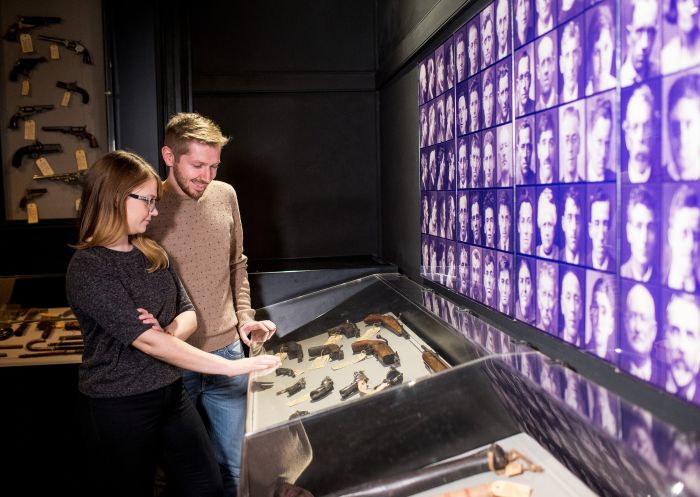
You'll have no trouble respecting the authority of the Justice and Police Museum, which shines a light on some of the state's darkest tales. It occupies the former 1800s home of the Water Police and is one of the great Sydney history museums, containing original holding cells, forensic evidence from notorious crimes and more. It’s also a great day out for kids: they can achieve a police badge, cosplay as the authorities and even take part in a mock trial.
Getting there: As with the Museum of Sydney, we recommend taking public transport to Circular Quay – from here, it’s a short walk to the museum.
Justice and Police Museum, Sydney - Credit: James Horan | Sydney Living Museums
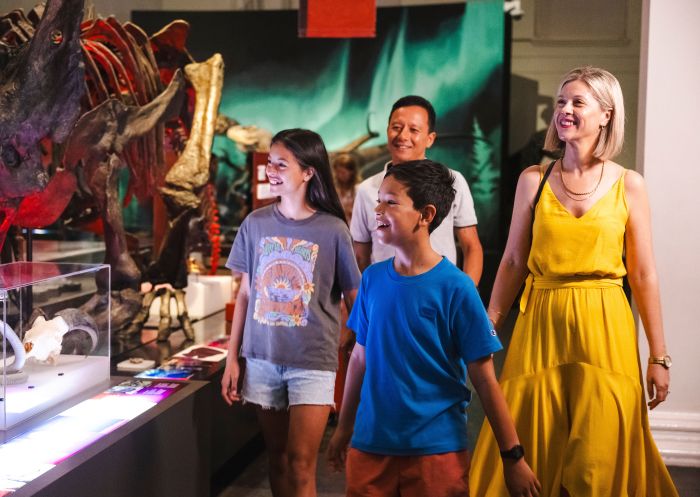
The country's first museum (located next to our oldest park) has a staggering collection of over 20 million pieces. Marvel at an 11m long model of a T. rex dinosaur (it’s the world’s first-ever anatomically correct replica), a sparkling collection of 1,800 rocks (from glow-in-the-dark minerals to outer-space objects) and animals from across the planet (including a sperm-whale skeleton, the world’s biggest bird and an extinct Tasmanian tiger). The museum also showcases uniquely Australian stories, from Waranara tours of Aboriginal and Torres Strait islander objects by First Nations guides to 100 accounts of the people who have significantly shaped the country.
Getting there: Take a train or bus to Town Hall, St James or Museum stations – all located a short walk away. There are also several parking garages nearby.
Australian Museum, Sydney
You can dive deep into the collections at the Australian National Maritime Museum and climb aboard its fleet, too. A Cold War submarine, Edwardian-era steam yacht and dramatic replica of Captain Cook's HMB Endeavour are some of the vessels docked at its Darling Harbour waterfront location. Exhibitions drift into nautical territory in diverse ways: from moving accounts of 1970s refugees who fled Vietnam by boat to portraits of Torres Strait pearling Elders and explorations of Viking-era treasures. Kid-friendly attractions include sea-themed films, activities for ‘mini mariners’ and an activity trail featuring pirate loot and hidden goodies. During school holidays, don’t miss Kids On Deck, a dedicated craft, dress-up and play space.
Getting there: The museum is just a 20-minute walk from Town Hall Station, there’s a light rail stop across the road, bus stop just outside the door or there's paid parking nearby.
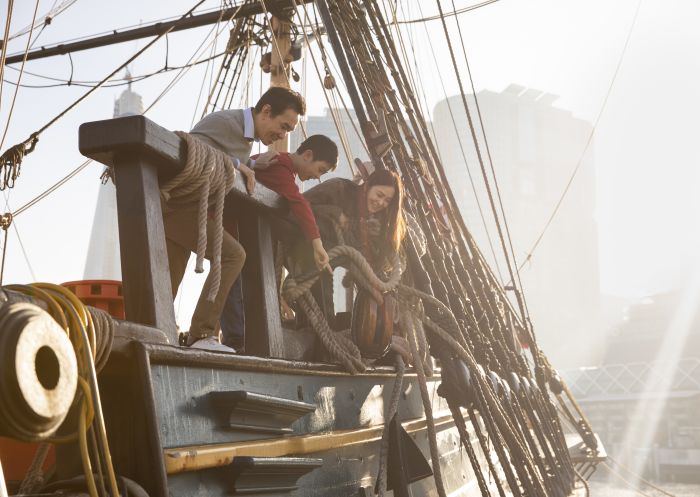
Australian National Maritime Museum, Darling Harbour
The Hyde Park Barracks Museum transports you back to Australia’s convict era. This UNESCO World Heritage-listed site not only evokes NSW’s early colonial days, it also conveys the stories of institutionalised women, First Nations people and migrants. The museum houses over 4,000 original artefacts and offers an immersive, interactive tour that takes advantage of audio and video technology for a next-level museum experience.
Getting there: St James and Martin Place stations are a short walk away, while bus stops on nearby Elizabeth Street and Macquarie Street are also good options. There is also a paid car park at The Domain.
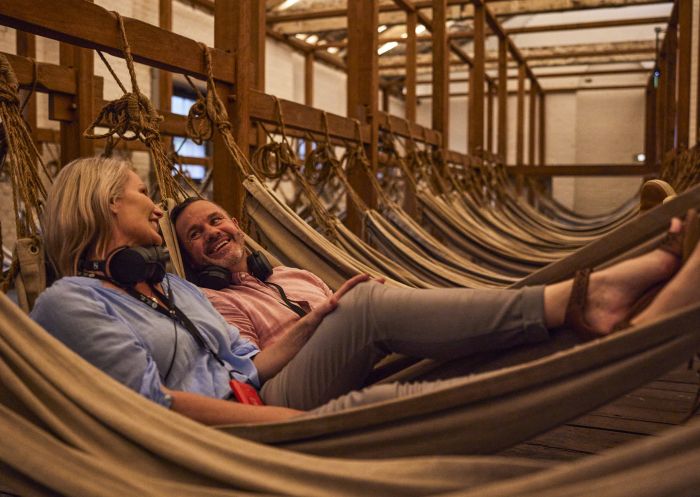
Hyde Park Barracks, Sydney CBD
Known as the biggest museum and cultural centre for LGBTQIA+ history and culture on the planet, this inclusive institution showcases the queer community’s resilience and creative flair. Qtopia’s main building is housed in the heritage-listed former Darlinghurst Police Station and its exhibitions have covered the history of Mardi Gras, pioneering media representation, the impact of HIV/AIDS and First Nations perspectives. Its theatres – The Loading Dock and The Substation – have hosted Pride Fest events, live readings and cabaret.
Getting there: There are various bus lines that stop near Qtopia Sydney. The walk from both Kings Cross and Museum train stations is around 15 minutes.

QTopia, Darlinghurst
Mungejup is a vibrant Aboriginal and Torres Strait Islander arts and culture centre situated at The Block in Redfern – a social housing area and significant site for Australia’s First Nations community. This space explores the stories and cultural heritage of The Block via contemporary Aboriginal artworks, historical items and accounts from locals. Run by the Aboriginal Housing Company, Mungeup’s exhibition showcases the company’s 50-year history. It’s remarkable because you can walk down the road and see the changes in the area first-hand or experience a tour with people featured in the photographs. Currently, the gallery is open to the public on Tuesdays and Wednesdays, but private tours and events can be booked throughout the week. Look out for workshops, community programming and other Mungeup experiences that invite visitors to engage with Aboriginal and Torres Strait Islander culture.
Getting there: Mungejup is a 3-minute walk from Redfern train station and 13-minute walk from Waterloo metro station. Parking is limited in the area, so public transport offers the best way to get here.
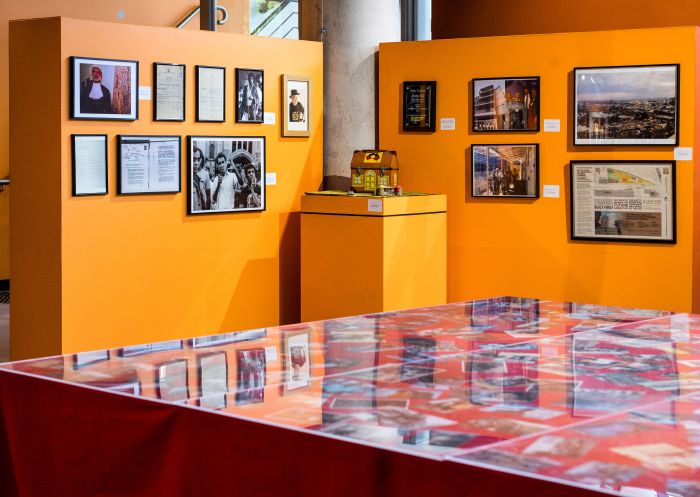
Mungejup, Redfern - Credit: David Li Photography
The foundations of the Sydney Cricket Ground date back to the 1850s and some of the country's greatest sporting triumphs have taken place on its pitch. The Sydney Cricket Ground Museum (which is part of the SCG Tour) evokes these most memorable athletic moments on Australian soil, with one-of-a-kind memorabilia (like a baggy green cap worn by the legendary Don Bradman and a two-decade-old bat belonging to Ricky Ponting), pictures of historic matches and first-hand accounts of the people who lived it. Behind-the-scenes access includes a visit to the dressing rooms, so you can imagine the pre-match anticipation of players stepping out for their game.
Getting there: The Moore Park light rail stop is close to the gates and a number of buses also run past the SCG. Paid parking is also available.
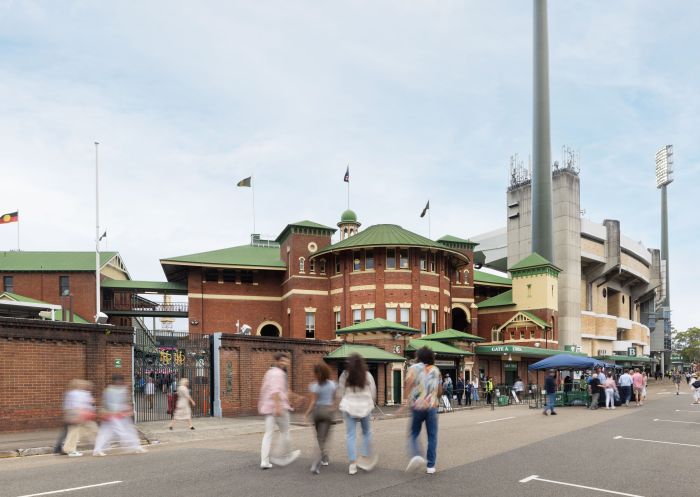
Sydney Cricket Ground, Sydney
For anyone who dreamed of being a firefighter when they were growing up, Penrith's aptly named Museum of Fire is the place to visit. You’ll be introduced to the world of putting out flames – thanks to vintage vehicles, detailed displays, and a chance to don a uniform, put on a helmet and hitch a ride in a fire engine (check the schedule to ensure the 1969 Ford D200 is running laps across the grounds). There are attractions for history buffs and anyone curious about the formation of Fire and Rescue NSW. It’s also a fun-filled day out with the family: the junior firefighter’s area is a particular highlight, featuring fire-safety activities, puzzles and interactive emergency vehicles.
Getting there: The Museum of Fire is a 50-minute drive from the Sydney CBD. Free onsite parking is available.

Museum of Fire, Penrith
There’s a time-travelling charm to the NSW Rail Museum in Thirlmere, home to Australia’s biggest collection of heritage rolling stock (railway carriages and engines). Step onto an old steam train cab, encounter a variety of vehicles (mail van, rolling gaol cell, the Governor General's carriage known as a “Palace on Wheels”) or hitch a ride on the historic Loop Line. Check the schedule for special events: Thomas the Tank Engine fans might want to book tickets for special days where visitors can step into his driver's cab and trigger his whistle.
Getting there: Located approximately 95km from the CBD, by car the NSW Rail Museum is about 1 hour and 15 minutes from the city.
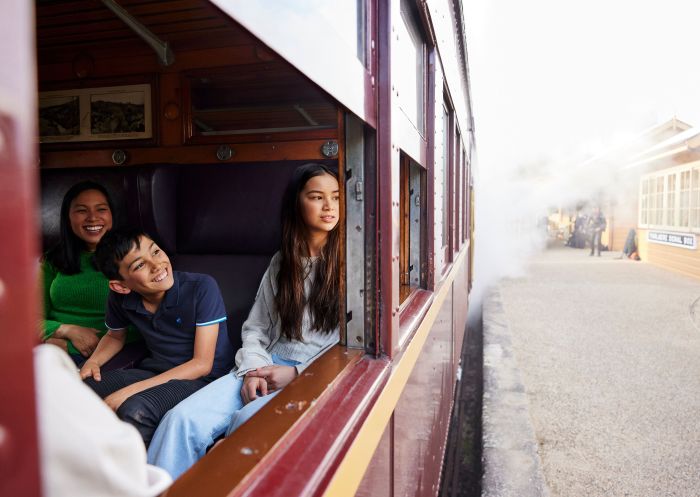
NSW Rail Museum, Thirlmere
Powerhouse Castle Hill has a Very Large Object storage area which lives up to its mighty name: it’s 6m high, 20 across and spans 3000 square metres – big enough to display automobiles, planes and trains from the museum’s collection (which includes more than 500,000 items). As well as offering visitors unique perspectives of the Powerhouse’s collection, the monumental, cutting-edge facilities also host education programs, workshops, talks and exhibitions.
Getting there: Located approximately 35km from the CBD, Powerhouse Castle Hill is about a 40-minute drive from the city. There is limited onsite parking. The nearest metro station is Hills Showground, which is a 30-minute walk away. Check bus routes for closer options.
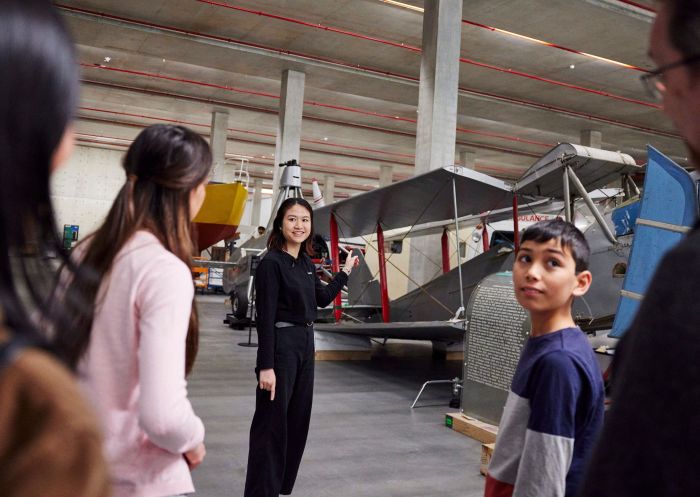
Powerhouse, Castle Hill
Run by the Camden Historical Society, Camden Museum features objects that tell a story about this culturally significant area, like axe heads belonging to Indigenous warrior Murrandah (loaned from the Burra Burra Aboriginal Corporation). The displays also spotlight noteworthy locals, from award-winning author Annette Macarthur-Onslow to the pioneer of the bionic ear, Graeme Clark. The museum also gives you a sense of how the Camden region has changed over the decades.
Getting there: Located about 70km southwest of the CBD, the Camden Museum is around an hour's drive from the city.
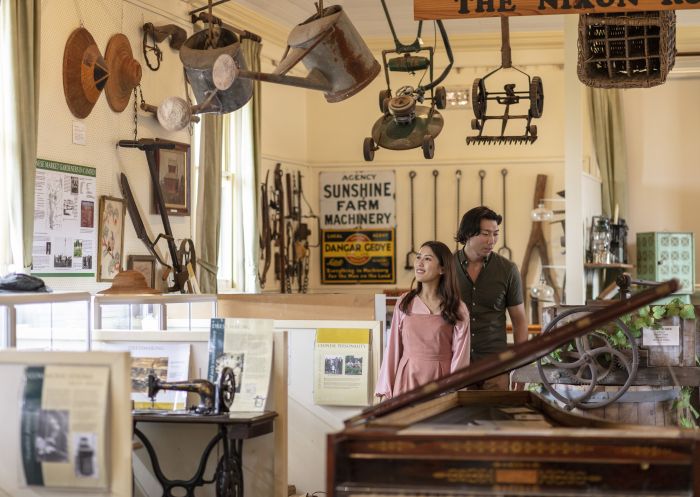
Camden Museum, Camden
With its striking steel-lattice exoskeleton and mega-sized 18,000 sqm of exhibition space, Powerhouse Parramatta will be Sydney’s largest museum. It’s also the biggest cultural landmark to emerge in NSW since the Sydney Opera House and this Western Sydney institution will launch with Task Eternal, an ambitious two-year-long exhibition exploring gravity-defying innovation, aviation and space travel. Standout pieces include a new perception-dazzling work by James Turrell (whose art is inspired by the 12,000+ hours he’s spent navigating the skies as a pilot) and a major installation by Yolŋu artist Naminapu Maymuru-White, which evokes a river of stars and draws on Yolŋu cosmology.
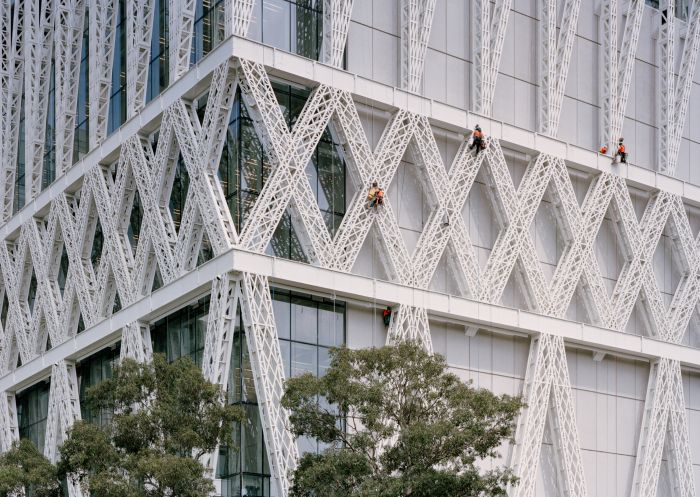
Powerhouse Parramatta, Parramatta - Credit: Rory Gardiner
Since its 1992 launch, the Sydney Jewish Museum has used more than 12,000 artefacts and 1,000 testimonials to teach visitors about the Holocaust and its long-lasting impacts. Throughout the years, it has hosted extensive, detailed exhibits on the history of Judaism and showcased culturally significant Australians, like author Eddie Jaku and artist Sidney Nolan. The site is currently being redeveloped to double its capacity and is due to reopen in 2027.
Getting there: There are buses that stop close to the museum. Kings Cross Station is less than a 10-minute walk away and Museum Station is within a 15-minute walk. There's also limited metered street parking and the nearby St Vincent's Hospital car park.
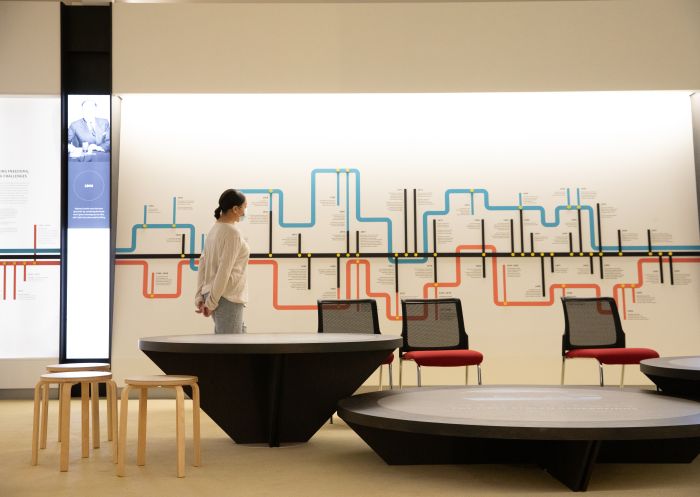
Sydney Jewish Museum, Darlinghurst - Credit: Sydney Jewish Museum
The Powerhouse Ultimo is temporarily closed as it undergoes a significant heritage revitalisation that will deliver new and expanded spaces to showcase the museum's renowned collection and present exclusive international exhibitions. Powerhouse will continue to present programs at Powerhouse Castle Hill and Sydney Observatory during this time.
The Powerhouse Ultimo prides itself on having a contemporary focus on arts, science, innovation and design. There are several permanent exhibitions, complemented by changing temporary exhibitions and displays, many offering a deep dive into Australian culture. Look forward to regular tours, workshops, forums and other special events held throughout the year.
Getting there: Take the train to Central Station or light rail to Paddy’s Markets and walk down. There’s also a bus stop right outside the museum. Paid parking is also available in the area.

Powerhouse Museum, Ultimo - Credit: James Horan


