


Loving Hut Cabramatta


Highlights
- Enjoy authentic Vietnamese dishes, 100% plant-based and full of flavour.
- Experience a warm, community atmosphere where everyone feels like family.
- Relish in nearly two decades of culinary tradition and love from Mumma Kim.
Overview
Loving Hut Cabramatta is Sydney's longest-running 100% vegan restaurant, proudly serving the community from the heart of Cabramatta since 2006.
Born from a mother's love, their story began when Mumma Kim, a devoted Vietnamese cook and spiritual practitioner, transformed her family's plant-based cooking into an art form. Determined to prove that vegan food could be just as rich, authentic, and satisfying as any traditional Vietnamese dish, she opened her doors to share that love with the world. Nearly two decades later, her eldest son Robert and his wife Bella have carried that legacy forward, honouring her recipes while bringing Loving Hut Cabramatta into a new era.
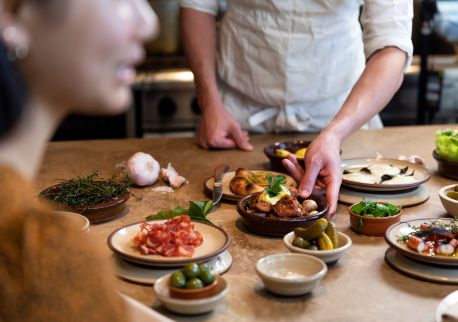
Every dish on our menu is 100% plant-based. No exceptions. From the bestselling Salt & Pepper Tofu and spicy Royal Noodle Soup (Bún Huế) to the beloved Vegan Peking Duck Rolls and fragrant Vietnamese Phở, each plate is made fresh, with care, from ingredients that harm no living being.
They are more than a restaurant. They are a community home — a place where Vietnamese heritage meets compassion, where regulars feel like family, and where first-timers quickly become regulars.
Get in touch
More Like This
Location
FAQs
Accessibility
A quiet space is available at the venue/ facility
Actively welcomes people with access needs.
Adhere to The Food Authority requirements for allergy management in food preparation
Advise tour guides of the access needs of guests at the time of booking (includes pick up and drop off requirements)
Ask all visitors if there are any specific needs to be met
Caters for people who are deaf or have hearing loss
Caters for people who use a wheelchair.
Caters for people with allergies and intolerances.
Caters for people with sufficient mobility to climb a few steps but who would benefit from fixtures to aid balance. (This includes people using walking frames and mobility aids)
Have a doorbell or intercom at an accessible height and display a contact number (accessible height is 900mm-1100 mm)
Have accessibility information and photos, including of a bathroom, room and/or floor plan on your website (can be emailed on request)
Have accessible seating areas in theatrette
Have doorways which are easy to open and have lever handles (doorways 850mm or wider when open and not heavy)
Have equipment to respond to anaphylactic shock such as epi–pens and defibrillator
Have step free access to restaurant, lounge and bar
Have step free outdoor pathways (includes picnic areas, barbecues and shelters)
Modify your cooking and cleaning practices to cater for people with food allergies or chemical intolerances (could include menus with meals free from: nuts, dairy, seafood, eggs, gluten etc)
Offer a range of contact methods for receiving complaints
Offer multiple options for booking - web, email, phone
Provide assistance with booking arrangements (includes providing clear itineraries with written instructions on what to do at various destinations)
Provide seating in common areas including reception area
Provide toiletries which are chemical and fragrance free (if requested)
Train your staff in communicating with people who are deaf or have hearing loss
Train your staff in disability awareness
Train your staff to respond to allergic reactions
Use non-slip tiles in the bathroom or slip resistant matting
Use Plain English / easy read signage and information (includes menus and emergency information)
Welcomes and assists people who have challenges with learning, communication, understanding and behaviour. (includes people with autism, intellectual disability, Down syndrome, acquired brain injury (ABI), dyslexia and dementia)