







Erfahrungen der Bondi-Aborigines
Veranstaltungsdaten werden noch bestätigt: Oktober 2026 – April 2027 (WÖCHENTLICHE Veranstaltung)


Überblick
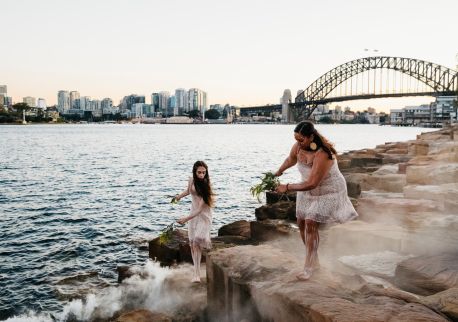
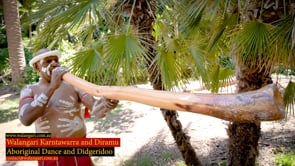
Walangari Karntawarra und Diramu unterhalten, fesseln und informieren mit traditionellen Tänzen und Didgeridoo-Klängen der Aborigines in diesem interaktiven Kulturerlebnis.
In diesem einstündigen Workshop erleben die Teilnehmenden eine dynamische Präsentation von Tanz, Musik und kulturellem Wissen der Aborigines. Sie lernen Tänze, Lieder und Wörter in der Sprache der Aborigines kennen und gewinnen ein tieferes Verständnis für die älteste noch…
Walangari Karntawarra und Diramu unterhalten, fesseln und informieren mit traditionellen Tänzen und Didgeridoo-Klängen der Aborigines in diesem interaktiven Kulturerlebnis.
In diesem einstündigen Workshop erleben die Teilnehmenden eine dynamische Präsentation von Tanz, Musik und kulturellem Wissen der Aborigines. Sie lernen Tänze, Lieder und Wörter in der Sprache der Aborigines kennen und gewinnen ein tieferes Verständnis für die älteste noch existierende Kultur der Welt.
Die Teilnehmenden haben die Möglichkeit, kulturelle Artefakte zu sehen und anzufassen, mehr über deren traditionelle Verwendung zu erfahren und Buschfrüchte und Heilmittel zu entdecken, die auch heute noch in der Region wachsen.
Nehmen Sie an einem Gesprächskreis teil, testen Sie Ihr Wissen in einem Kulturquiz und erleben Sie interaktive Aktivitäten wie traditionelle Sandmalerei.
Die Erlebnisse sind so gestaltet, dass sie möglichst wenig Ressourcen verbrauchen. Kulturelles Wissen, Geschichtenerzählen, Tanz und Musik bilden den Kern des Programms und erfordern nur minimales Equipment und Ressourcen. Für die Sandmalerei werden ungiftige Materialien verwendet, und Material und Ausrüstung werden, wo immer möglich, wiederverwendet, um Abfall zu vermeiden.
Durch den Austausch von Wissen über das Land, einheimische Pflanzen, Buschfrüchte und traditionelle Praktiken fördert die Erfahrung auch ein besseres Verständnis für die langjährige Beziehung zwischen der Kultur der Aborigines und der Sorge um das Land.
Kontaktieren Sie uns
Standort
FAQs
Zugänglichkeit
A quiet space is available at the venue/ facility
Ermöglicht der Betreuungsperson einer Person freien Eintritt zu teilnehmenden Veranstaltungsorten und Events.
Actively welcomes people with access needs.
Adhere to The Food Authority requirements for allergy management in food preparation
Advise tour guides of the access needs of guests at the time of booking (includes pick up and drop off requirements)
Geeignet für blinde oder sehbehinderte Menschen
Geeignet für Menschen mit Hörverlust oder Taubheitsgefühl.
Geeignet für Rollstuhlfahrer.
Caters for people with allergies and intolerances.
Geeignet für Personen, die zwar einige Stufen steigen können, aber von Haltegriffen profitieren würden. (Dies schließt Personen ein, die Gehhilfen und Mobilitätshilfen benutzen.)
Employ people with disability
Have a doorbell or intercom at an accessible height and display a contact number (accessible height is 900mm-1100 mm)
Have a step free main entrance to the building and/or reception area (includes ramps or slopes with a maximum gradient of 1:14, otherwise are too steep for wheelchairs)
Have a wheelchair accessible toilet / shower and change room
Have a wheelchair/scooter charging station (power point) in an accessible location
Have accessible seating areas in theatrette
Have an accessible public toilet which is unlocked
Have at least one wheelchair accessible parking space with wheelchair accessible signage clearly displayed (International standards are 3200mm wide x 2500 mm high)
Have doorways which are easy to open and have lever handles (doorways 850mm or wider when open and not heavy)
Have Exit signs which are visible at a ground level (high level signs are difficult to see in a fire)
Have grab rails in the bathroom
Have handrails on all your stairways
Have lifts with enough space for people using a mobility aid to enter and turn around to use the lift buttons. Buttons are at accessible height.
Have raised tactile buttons in your lifts
Have step free access to restaurant, lounge and bar
Have step free access to the conference or function room
Have step free outdoor pathways (includes picnic areas, barbecues and shelters)
Have transmitter receivers for hearing aids on tours
Have wheelchair access to amusements and activities including boats and bush trails (includes tour rides, skyways, trolley cars, flying fox, amusement rides and boating)
Have wheelchair accessible picnic tables (picnic tables require 720mm knee clearance and 800mm maximum height)
Have wheelchair accessible transport options available in the general vicinity (provide information on name of the operator, phone and website link to individual providers for private vehicles, community transport train, mini vans, hire cars, buses, taxis, ferry, tram, light rail etc in your access statement)
Offer a range of contact methods for receiving complaints
Offer multiple options for booking - web, email, phone
Provide assistance with booking arrangements (includes providing clear itineraries with written instructions on what to do at various destinations)
Provide digital communication materials (hard copy information is also available on line)
Provide seating in common areas including reception area
Train your staff in customer service for people with vision loss (training would incorporate way finding and communicating with people with vision loss)
Train your staff in communicating with people who are deaf or have hearing loss
Train your staff in communicating with people with learning or behavioural challenges
Train your staff in disability awareness
Train your staff to respond to allergic reactions
Use easy read fonts in your signage and communication materials (Helvetica and Arial)
Use Plain English / easy read signage and information (includes menus and emergency information)
Website meets WCAG 2.0 accessibility standards
Welcomes and assists people who have challenges with learning, communication, understanding and behaviour. (includes people with autism, intellectual disability, Down syndrome, acquired brain injury (ABI), dyslexia and dementia)