




Jazz in der Lounge
Do. 17. Sep 26 – Do. 17. Dez 26 (MONATLICHE Veranstaltung)


Product List
Product List
Überblick
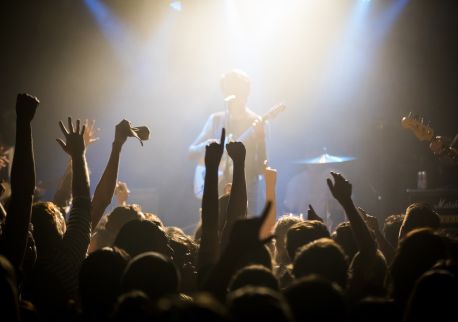
Jazz at The Lounge kehrt zurück und präsentiert erneut Australiens beste Jazz-Talente. Von März bis Dezember gastieren Weltklasse-Musiker im intimen Ambiente der Lounge. Die Saison 2026 vereint legendäres Können mit frischen Stimmen und verspricht unvergessliche Abende voller Rhythmus, Soul und spontaner Magie.
Publikumslieblinge wie James Morrison mit Darren Percival, Simon Tedeschi und Emma Pask sowie Jazzgrößen wie Michelle Nicolle, Paul…
Jazz at The Lounge kehrt zurück und präsentiert erneut Australiens beste Jazz-Talente. Von März bis Dezember gastieren Weltklasse-Musiker im intimen Ambiente der Lounge. Die Saison 2026 vereint legendäres Können mit frischen Stimmen und verspricht unvergessliche Abende voller Rhythmus, Soul und spontaner Magie.
Publikumslieblinge wie James Morrison mit Darren Percival, Simon Tedeschi und Emma Pask sowie Jazzgrößen wie Michelle Nicolle, Paul Grabowsky und Monica Trapaga sind wieder mit dabei. Hommagen an Duke Ellington und Dave Brubeck ehren die Meister, die die Musik geprägt haben. Die raffinierte Eleganz des Peter Locke Trios mit Kate Wadey trifft auf die mitreißende Energie des Zela Margossian Quintetts, des Pocket Trios, des Sydney Youth Jazz Orchestra und des Spectra Jazz Orchestra – eine Bühne für die nächste Generation von Jazzstars.
Den Höhepunkt der Saison bildet Dan Barnetts energiegeladene Latin Fiesta mit kraftvollen Bläsern, mitreißenden Grooves und ansteckenden Rhythmen. Von intimen, zeitlosen Standards bis hin zu mitreißendem Swing – Jazz at The Lounge ist unmittelbar, fesselnd und lebendig – eine Reihe, die man sich nicht entgehen lassen sollte, sowohl für Jazzliebhaber als auch für neugierige Neulinge.
Kontaktieren Sie uns
Standort
Die Lounge, Chatswood Concourse
409 Victoria Avenue Chatswood NSW 2067 Australien
Wegbeschreibung erhaltenFAQs
Zugänglichkeit
A quiet space is available at the venue/ facility
Ermöglicht der Betreuungsperson einer Person freien Eintritt zu teilnehmenden Veranstaltungsorten und Events.
Actively welcomes people with access needs.
Advise tour guides of the access needs of guests at the time of booking (includes pick up and drop off requirements)
Ask all visitors if there are any specific needs to be met
Geeignet für blinde oder sehbehinderte Menschen
Geeignet für Rollstuhlfahrer.
Geeignet für Personen, die zwar einige Stufen steigen können, aber von Haltegriffen profitieren würden. (Dies schließt Personen ein, die Gehhilfen und Mobilitätshilfen benutzen.)
Employ people with disability
Have a step free main entrance to the building and/or reception area (includes ramps or slopes with a maximum gradient of 1:14, otherwise are too steep for wheelchairs)
Have a wheelchair accessible toilet / shower and change room
Have accessibility information and photos, including of a bathroom, room and/or floor plan on your website (can be emailed on request)
Have accessible seating areas in theatrette
Have an accessible public toilet which is unlocked
Have an appropriate area for toileting an assistance dog
Have audio enabled lifts
Have doorways which are easy to open and have lever handles (doorways 850mm or wider when open and not heavy)
Have Exit signs which are visible at a ground level (high level signs are difficult to see in a fire)
Have grab rails in the bathroom
Have handrails on all your stairways
Have lifts with enough space for people using a mobility aid to enter and turn around to use the lift buttons. Buttons are at accessible height.
Have raised tactile buttons in your lifts
Have step free access to restaurant, lounge and bar
Have step free access to the conference or function room
Have step free outdoor pathways (includes picnic areas, barbecues and shelters)
Have wheelchair accessible transport options available in the general vicinity (provide information on name of the operator, phone and website link to individual providers for private vehicles, community transport train, mini vans, hire cars, buses, taxis, ferry, tram, light rail etc in your access statement)
Offer a range of contact methods for receiving complaints
Offer multiple options for booking - web, email, phone
Provide assistance with booking arrangements (includes providing clear itineraries with written instructions on what to do at various destinations)
Provide digital communication materials (hard copy information is also available on line)
Provide information in audio format (includes an audio described map of your venue, audio descs of performances and/ or displays)
Provide information in large print
Provide seating in common areas including reception area
Train your staff in customer service for people with vision loss (training would incorporate way finding and communicating with people with vision loss)
Train your staff in communicating with people with learning or behavioural challenges
Train your staff in disability awareness
Use easy read fonts in your signage and communication materials (Helvetica and Arial)
Use floors/coverings which are slip resistant, firm and smooth
Use non-slip tiles in the bathroom or slip resistant matting
Use Plain English / easy read signage and information (includes menus and emergency information)
Website meets WCAG 2.0 accessibility standards
Welcomes and assists people who have challenges with learning, communication, understanding and behaviour. (includes people with autism, intellectual disability, Down syndrome, acquired brain injury (ABI), dyslexia and dementia)