




Dee Dee Bridgewater Duo mit Helen Sung
Do. 22. Okt 26


Product List
Product List
Überblick
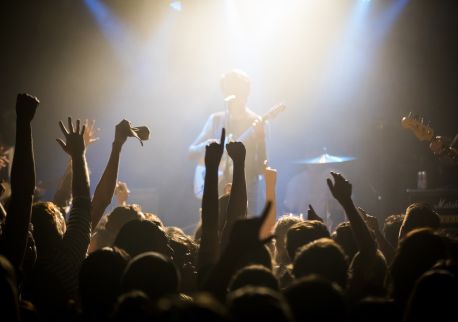
Im Laufe ihrer bemerkenswerten und vielseitigen Karriere hat sich die mehrfache Grammy- und Tony-Preisträgerin Dee Dee Bridgewater zu einer der prägendsten Stimmen des Jazz entwickelt. Sie wird für ihre kühnen Neuinterpretationen von Standards und ihre einzigartige künstlerische Vision gefeiert.
Die zweifache Grammy-Gewinnerin Bridgewater erlangte zunächst Bekanntheit mit dem legendären Thad Jones/Mel Lewis Orchestra, bevor sie mit Größen wie…
Im Laufe ihrer bemerkenswerten und vielseitigen Karriere hat sich die mehrfache Grammy- und Tony-Preisträgerin Dee Dee Bridgewater zu einer der prägendsten Stimmen des Jazz entwickelt. Sie wird für ihre kühnen Neuinterpretationen von Standards und ihre einzigartige künstlerische Vision gefeiert.
Die zweifache Grammy-Gewinnerin Bridgewater erlangte zunächst Bekanntheit mit dem legendären Thad Jones/Mel Lewis Orchestra, bevor sie mit Größen wie Max Roach, Sonny Rollins, Dexter Gordon und Dizzy Gillespie auftrat. Neben der Musik hat sie sich eine außergewöhnliche Karriere in Theater, Film, Fernsehen und Rundfunk aufgebaut. Sie gewann einen Tony Award für ihre Rolle als Glinda in „The Wiz“ und veröffentlichte gefeierte Alben, darunter das mit zwei Grammys ausgezeichnete „Dear Ella“. Ihr neuestes Album „Elemental“ (2025), das sie zusammen mit dem Pianisten Bill Charlap aufnahm, unterstrich ihre anhaltende kreative Kraft.
Begleitet wird sie von der gefeierten Pianistin und Komponistin Helen Sung, einer Guggenheim-Stipendiatin, deren virtuoser, mitreißender Stil sie bereits mit Wayne Shorter, Ron Carter und Wynton Marsalis zusammenarbeiten ließ.
Den Abend eröffnet die gefeierte australische Sängerin Michelle Nicole, die als eine der besten Jazzsängerinnen des Landes gilt. Die Gewinnerin des Bell Awards und des National Jazz Awards sowie dreifache ARIA-Finalistin tritt in einem intimen Duo mit dem gefeierten Gitarristen Hugh Stuckey auf.
Bridgewaters erster Auftritt in Australien seit fast zwölf Jahren verspricht ein wahrhaft historisches und unvergessliches Konzerterlebnis.
Kontaktieren Sie uns
Standort
FAQs
Zugänglichkeit
Actively welcomes people with access needs.
Advise tour guides of the access needs of guests at the time of booking (includes pick up and drop off requirements)
Geeignet für blinde oder sehbehinderte Menschen
Geeignet für Menschen mit Hörverlust oder Taubheitsgefühl.
Geeignet für Rollstuhlfahrer.
Caters for people with allergies and intolerances.
Geeignet für Personen, die zwar einige Stufen steigen können, aber von Haltegriffen profitieren würden. (Dies schließt Personen ein, die Gehhilfen und Mobilitätshilfen benutzen.)
Have a doorbell or intercom at an accessible height and display a contact number (accessible height is 900mm-1100 mm)
Have a hearing loop
Have a step free main entrance to the building and/or reception area (includes ramps or slopes with a maximum gradient of 1:14, otherwise are too steep for wheelchairs)
Have a wheelchair accessible toilet / shower and change room
Have accessibility information and photos, including of a bathroom, room and/or floor plan on your website (can be emailed on request)
Have accessible seating areas in theatrette
Have an accessible public toilet which is unlocked
Have an appropriate area for toileting an assistance dog
Have at least one wheelchair accessible parking space with wheelchair accessible signage clearly displayed (International standards are 3200mm wide x 2500 mm high)
Have doorways which are easy to open and have lever handles (doorways 850mm or wider when open and not heavy)
Have equipment to respond to anaphylactic shock such as epi–pens and defibrillator
Have Exit signs which are visible at a ground level (high level signs are difficult to see in a fire)
Have grab rails in the bathroom
Have handrails on all your stairways
Have lifts with enough space for people using a mobility aid to enter and turn around to use the lift buttons. Buttons are at accessible height.
Have raised tactile buttons in your lifts
Have step free access to restaurant, lounge and bar
Have visual alerts for emergencies (Include flashing light)
Have wheelchair accessible transport options available in the general vicinity (provide information on name of the operator, phone and website link to individual providers for private vehicles, community transport train, mini vans, hire cars, buses, taxis, ferry, tram, light rail etc in your access statement)
Offer a range of contact methods for receiving complaints
Offer multiple options for booking - web, email, phone
Provide assistance with booking arrangements (includes providing clear itineraries with written instructions on what to do at various destinations)
Provide digital communication materials (hard copy information is also available on line)
Provide information in audio format (includes an audio described map of your venue, audio descs of performances and/ or displays)
Provide seating in common areas including reception area
Train your staff in customer service for people with vision loss (training would incorporate way finding and communicating with people with vision loss)
Train your staff in communicating with people who are deaf or have hearing loss
Train your staff in communicating with people with learning or behavioural challenges
Train your staff in disability awareness
Train your staff to respond to allergic reactions
Use easy read fonts in your signage and communication materials (Helvetica and Arial)
Use floors/coverings which are slip resistant, firm and smooth
Use Plain English / easy read signage and information (includes menus and emergency information)
Website meets WCAG 2.0 accessibility standards
Welcomes and assists people who have challenges with learning, communication, understanding and behaviour. (includes people with autism, intellectual disability, Down syndrome, acquired brain injury (ABI), dyslexia and dementia)