






Electric Nation Halloween Edition 2026
Fri 30 Oct '26


Product List
Product List
Overview
Electric Nation Halloween Edition lands at Tumbalong Park, Darling Harbour.
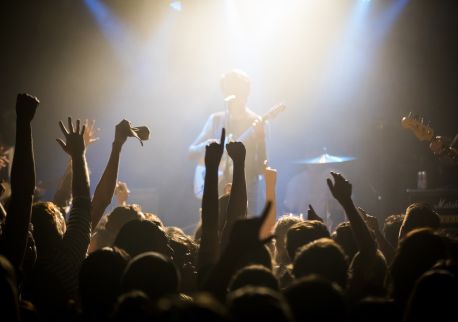
Featuring Topic, Bag Raiders, Yolanda Be Cool, KLP and Raffa FL, this open air waterfront festival brings together international talent and Sydney favourites for a sunset to midnight journey through house, indie dance, latin house and global grooves.
Set against Sydney's iconic waterfront, Electric Nation combines world class music, harbour views and a unique…
Electric Nation Halloween Edition lands at Tumbalong Park, Darling Harbour.
Featuring Topic, Bag Raiders, Yolanda Be Cool, KLP and Raffa FL, this open air waterfront festival brings together international talent and Sydney favourites for a sunset to midnight journey through house, indie dance, latin house and global grooves.
Set against Sydney's iconic waterfront, Electric Nation combines world class music, harbour views and a unique atmosphere in the heart of the city. As the sun sets and the city lights come alive, expect an unforgettable Halloween celebration with thousands of music lovers gathering at one of Sydney's most spectacular event locations.
From golden hour to the final track, Electric Nation is where music, culture and connection come together.
Presented by Casablanca Events.
Get in touch
Location
FAQs
Accessibility
Access and Inclusion Statement
A quiet space is available at the venue/ facility
Allows a person's carer free entry into participating venues and events
Actively welcomes people with access needs.
Adhere to The Food Authority requirements for allergy management in food preparation
Advise tour guides of the access needs of guests at the time of booking (includes pick up and drop off requirements)
Ask all visitors if there are any specific needs to be met
Caters for people who are blind or have vision loss
Caters for people who use a wheelchair.
Caters for people with allergies and intolerances.
Caters for people with high support needs who travel with a support person
Employ people with disability
Have a step free main entrance to the building and/or reception area (includes ramps or slopes with a maximum gradient of 1:14, otherwise are too steep for wheelchairs)
Have a wheelchair accessible toilet / shower and change room
Have accessibility information and photos, including of a bathroom, room and/or floor plan on your website (can be emailed on request)
Have an accessible public toilet which is unlocked
Have equipment to respond to anaphylactic shock such as epi–pens and defibrillator
Have Exit signs which are visible at a ground level (high level signs are difficult to see in a fire)
Have step free access to restaurant, lounge and bar
Have step free outdoor pathways (includes picnic areas, barbecues and shelters)
Modify your cooking and cleaning practices to cater for people with food allergies or chemical intolerances (could include menus with meals free from: nuts, dairy, seafood, eggs, gluten etc)
Offer a range of contact methods for receiving complaints
Offer multiple options for booking - web, email, phone
Provide assistance with booking arrangements (includes providing clear itineraries with written instructions on what to do at various destinations)
Provide digital communication materials (hard copy information is also available on line)
Provide information in large print
Train your staff in customer service for people with vision loss (training would incorporate way finding and communicating with people with vision loss)
Train your staff in communicating with people with learning or behavioural challenges
Train your staff in disability awareness
Train your staff to respond to allergic reactions
Use easy read fonts in your signage and communication materials (Helvetica and Arial)
Use Plain English / easy read signage and information (includes menus and emergency information)
Welcomes and assists people who have challenges with learning, communication, understanding and behaviour. (includes people with autism, intellectual disability, Down syndrome, acquired brain injury (ABI), dyslexia and dementia)