









Warakirri Dining Experience
Sat 30 May '26

Overview
Step into the world of Warakirri, an exclusive unforgettable degustation experience for Vivid Sydney that celebrates the richness of First Nations Culture, cuisine and storytelling. Presented by Indigiearth and curated by award-winning Weilwan chef Sharon Winsor, this intimate experience unfolds across a multi-course menu showcasing native Australian ingredients sourced from the outback to the ocean, blending modern technique with traditional…
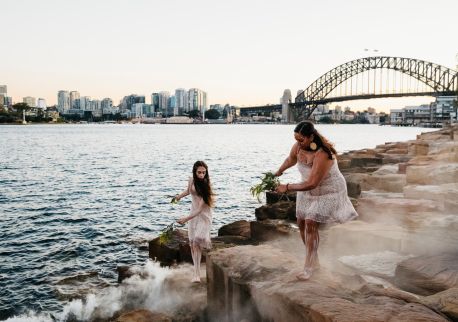
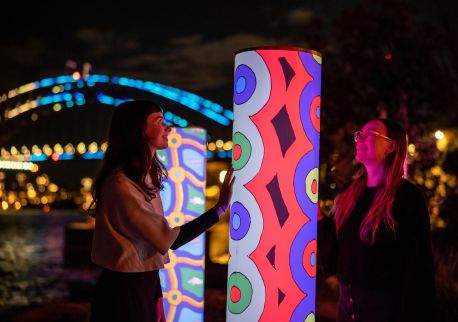
Step into the world of Warakirri, an exclusive unforgettable degustation experience for Vivid Sydney that celebrates the richness of First Nations Culture, cuisine and storytelling. Presented by Indigiearth and curated by award-winning Weilwan chef Sharon Winsor, this intimate experience unfolds across a multi-course menu showcasing native Australian ingredients sourced from the outback to the ocean, blending modern technique with traditional knowledge.
Meaning "to grow" Warakirri invites guests to connect with Country through taste, sight and sound. As each course unfolds, Sharon, recent recipient of the 2026 Bill Granger Trailblazer Award, will share stories of culture, community and Indigenous foodways, guiding you on a sensory journey that nourishes, deepens understanding and inspires.
Get in touch
Location
FAQs
Accessibility
A quiet space is available at the venue/ facility
Allows a person's carer free entry into participating venues and events
Actively welcomes people with access needs.
Ask all visitors if there are any specific needs to be met
Caters for people who are blind or have vision loss
Caters for people who use a wheelchair.
Caters for people with high support needs who travel with a support person
Caters for people with sufficient mobility to climb a few steps but who would benefit from fixtures to aid balance. (This includes people using walking frames and mobility aids)
Employ people with disability
Have a place to store medical equipment (eg oxygen)
Have a step free main entrance to the building and/or reception area (includes ramps or slopes with a maximum gradient of 1:14, otherwise are too steep for wheelchairs)
Have a wheelchair accessible toilet / shower and change room
Have accessibility information and photos, including of a bathroom, room and/or floor plan on your website (can be emailed on request)
Have accessible seating areas in theatrette
Have an accessible public toilet which is unlocked
Have at least one wheelchair accessible parking space with wheelchair accessible signage clearly displayed (International standards are 3200mm wide x 2500 mm high)
Have Exit signs which are visible at a ground level (high level signs are difficult to see in a fire)
Have grab rails in the bathroom
Have handrails on all your stairways
Have raised tactile buttons in your lifts
Have step free access to the conference or function room
Have step free outdoor pathways (includes picnic areas, barbecues and shelters)
Have wheelchair accessible transport options available in the general vicinity (provide information on name of the operator, phone and website link to individual providers for private vehicles, community transport train, mini vans, hire cars, buses, taxis, ferry, tram, light rail etc in your access statement)
Offer a range of contact methods for receiving complaints
Offer multiple options for booking - web, email, phone
Provide digital communication materials (hard copy information is also available on line)
Provide information in large print
Provide seating in common areas including reception area
Train your staff in communicating with people with learning or behavioural challenges
Train your staff in disability awareness
Use easy read fonts in your signage and communication materials (Helvetica and Arial)
Use floors/coverings which are slip resistant, firm and smooth
Use Plain English / easy read signage and information (includes menus and emergency information)
Website meets WCAG 2.0 accessibility standards
Welcomes and assists people who have challenges with learning, communication, understanding and behaviour. (includes people with autism, intellectual disability, Down syndrome, acquired brain injury (ABI), dyslexia and dementia)