




Pyrmont Food and Wine Festival
Sat 27 Feb '27 – Sun 28 Feb '27


Product List
Product List
Overview
The Pyrmont Festival is a festival celebrating food, wine and art, which includes the two-day food and wine event. The festival is a community-run event that fosters a strong connection with the country and the city.
For 14 years, Pyrmont Festival has celebrated the best of NSW's winemaking, local produce and mouthwatering food scene. It brings together over 25 local and regional wineries, breweries and distilleries to one destination, taking…
The Pyrmont Festival is a festival celebrating food, wine and art, which includes the two-day food and wine event. The festival is a community-run event that fosters a strong connection with the country and the city.
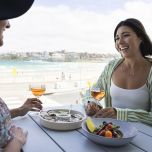
For 14 years, Pyrmont Festival has celebrated the best of NSW's winemaking, local produce and mouthwatering food scene. It brings together over 25 local and regional wineries, breweries and distilleries to one destination, taking you on a sensory journey through the state's most exciting flavours. Whether it's discovering a new favourite drop, trying a locally brewed craft beer or enjoying a cocktail in the waterfront sunshine, there will be plenty to explore throughout the weekend.
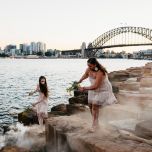
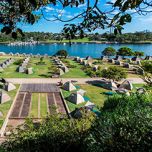
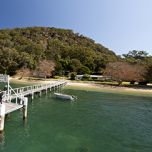
During the festival, Pirrama Park flourishes into a playground of gourmet eats, award–winning wines, craft beers, gin and cocktails from across the state to savour against a stunning harbourside backdrop.
They welcome all parts of the community to be part of this important festival.
Get in touch
Location
FAQs
Accessibility
A quiet space is available at the venue/ facility
Actively welcomes people with access needs.
Adhere to The Food Authority requirements for allergy management in food preparation
Caters for people who are deaf or have hearing loss
Caters for people who use a wheelchair.
Caters for people with allergies and intolerances.
Caters for people with high support needs who travel with a support person
Caters for people with sufficient mobility to climb a few steps but who would benefit from fixtures to aid balance. (This includes people using walking frames and mobility aids)
Employ people with disability
Have a bathroom which is fully accessible and equipped with ceiling hoist and adult change table
Have a wheelchair accessible toilet / shower and change room
Have accessibility information and photos, including of a bathroom, room and/or floor plan on your website (can be emailed on request)
Have an accessible public toilet which is unlocked
Have at least one wheelchair accessible parking space with wheelchair accessible signage clearly displayed (International standards are 3200mm wide x 2500 mm high)
Have grab rails in the bathroom
Have step free outdoor pathways (includes picnic areas, barbecues and shelters)
Have wheelchair accessible transport options available in the general vicinity (provide information on name of the operator, phone and website link to individual providers for private vehicles, community transport train, mini vans, hire cars, buses, taxis, ferry, tram, light rail etc in your access statement)
Offer a range of contact methods for receiving complaints
Offer multiple options for booking - web, email, phone
Provide assistance with booking arrangements (includes providing clear itineraries with written instructions on what to do at various destinations)
Provide seating in common areas including reception area
Train your staff in communicating with people who are deaf or have hearing loss
Train your staff in communicating with people with learning or behavioural challenges
Train your staff in disability awareness
Train your staff to respond to allergic reactions
Use floors/coverings which are slip resistant, firm and smooth
Use Plain English / easy read signage and information (includes menus and emergency information)
Welcomes and assists people who have challenges with learning, communication, understanding and behaviour. (includes people with autism, intellectual disability, Down syndrome, acquired brain injury (ABI), dyslexia and dementia)